Enlightenment to Romanticism, Cybernetics to Complexity
The shift in the source of light
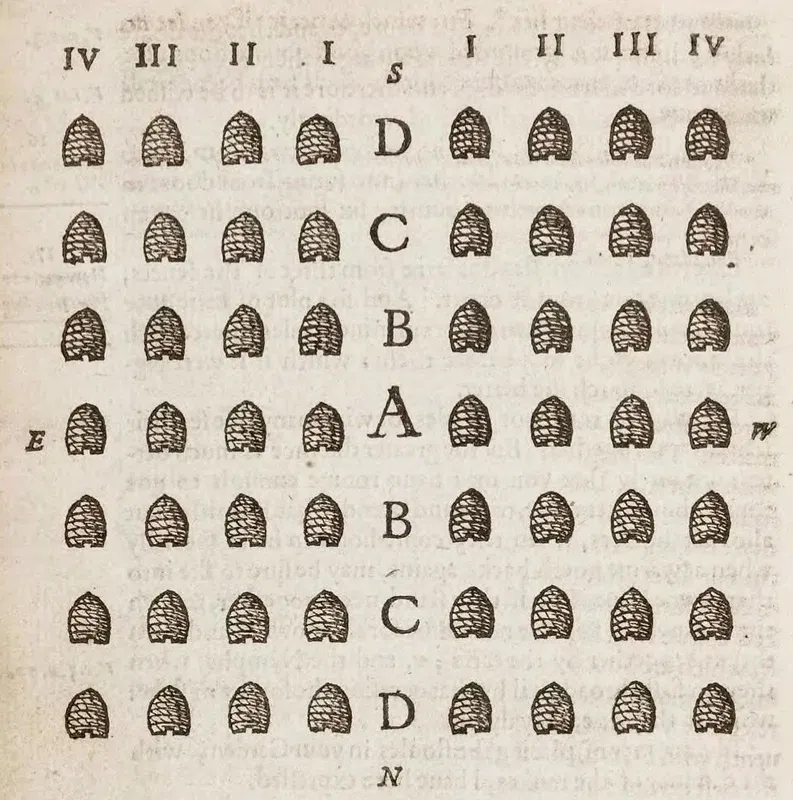
The Enlightenment gave us light as an external thing. Reason was a lamp held up to a world laid out before us, a mechanism to be observed, decoded, and steered. The knower stood apart from the known. Kant’s motto for the whole age was Sapere aude, dare to know, and his definition of Enlightenment was “the human being’s emergence from his self-imposed immaturity” 1through the public use of reason. Light was universal, impersonal, and above all outside. It fell on the object from the position of a detached observer.
The cosmos is clockwork. You stand outside it, read its laws, and, crucially, you could in principle govern it. This is already a cybernetic picture of the world: reality as a governable mechanism, transparent to the engineer who occupies the privileged vantage point beyond the system.
Romanticism did not reject light. It relocated its source. The light moved inward, into imagination, feeling, and the sublime. Goethe’s apocryphal last words, Mehr Licht, more light, sit at the hinge of the two ages. Novalis wrote that the mysterious path leads inward.2 Coleridge called the imagination “the living Power and prime Agent of all human Perception,” a repetition in the finite mind of the eternal act of creation.3 And Schelling collapsed the last distance between observer and observed: nature is visible spirit, spirit is invisible nature.4 There is no longer a place to stand outside the thing you are perceiving. You are in it, and it is in you.