1 min read

Plans

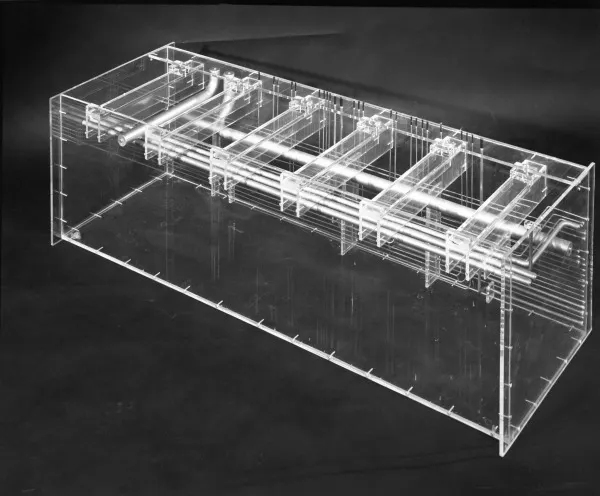
Transparent acrylic box with a mechanical frame inside
Source

Too much planning stifles action. It overextends the world’s influence by collecting information on the current space of possibility, stifling imagination on what might come, and using that view to speculate how good your idea is. It builds cause and effect mechanisms onto a fluid and living idea. The performance and change we’re speculating about are not fully known as an unnatural place to economically be in; when was the last time you paid for something you didn’t see the shape of? Therapy is the only example that comes to mind.

The very act of planning cements an otherwise fluid, living idea into a stationary state. It productizes a moving set of thoughts into a ‘what it looks like’ resolution. 8 times 10, it is necessary, but when it does matter, it matters in the biggest, most invisible ways. It is the nagging noise in the back of our heads when we know there is more, but the couple of people we spoke to unintentionally discouraged us.

Newsletter

Critical Business School, by email: essays, prompts, and new podcast episodes.

More
There's No Such Thing as a General Audience
"General audience" is a comforting fiction. It promises you can make something valuable without it meaning anything to anyone in particular. You can't. We
Side Projects Are Killing Your Practice
Side projects are killing your practice. They make you discount yourself and your ideas and get in the way of self-authorship. When you move with conviction but
AI Literacy
How I built the new Critical Business School site with Claude
One week, one conversation, and a site that brings the school, the writing, the podcast and the library together. A list of everything that went into it.
AI Literacy
The Same Tools, In Different Hands
Everyone now works with the same tools: the same models, the same interfaces, and often the same prompts, passed around like recipes. More and more, the outputs look