The Costly Confusion
The highway can be built. The accidents require something else.
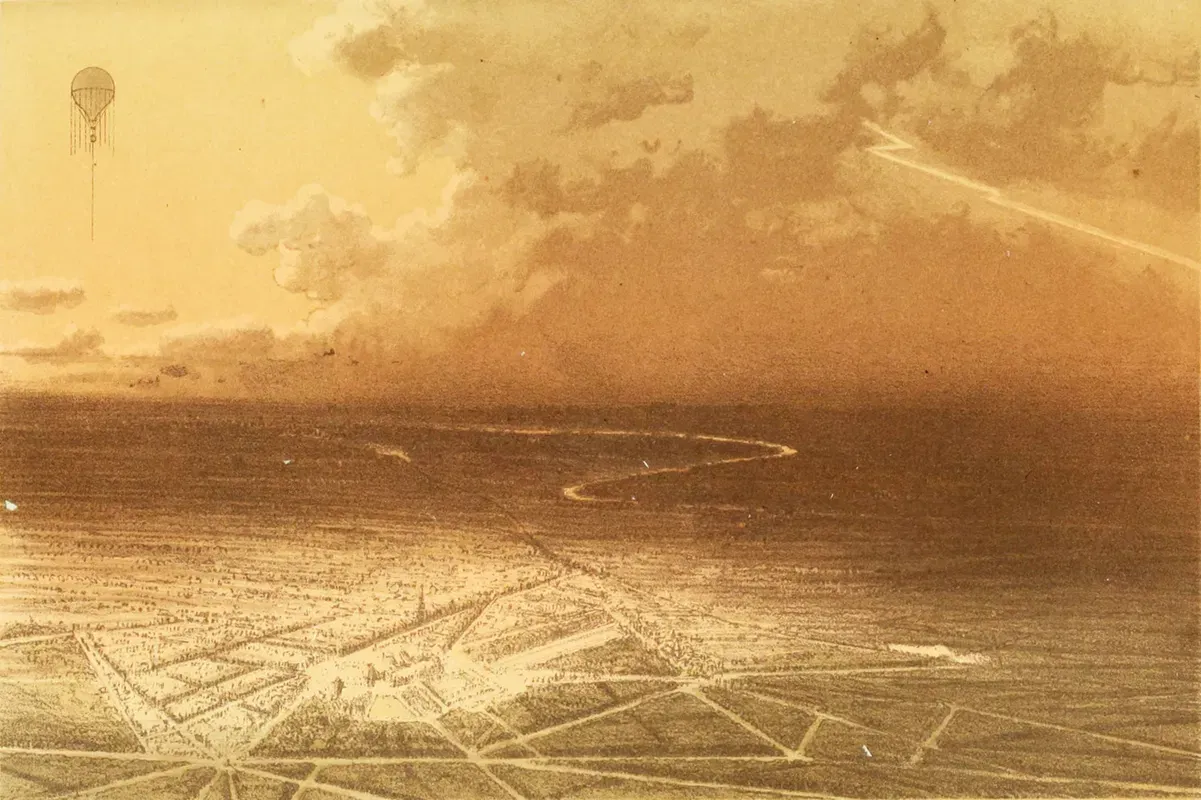
There is a difference between designing a highway system and designing fewer accidents.
The highway system is designable. You can specify it, model it, hand it to engineers, and what emerges will closely resemble what you drew. You can point to the blueprint and say: that is what we are building. The materials are known, the steps are known, the outcome is knowable. This is a complicated problem — hard, expensive, requiring enormous coordination — but ultimately solvable through planning.
Fewer accidents is something else entirely. Accidents happen at the intersection of driver behavior, road condition, weather, fatigue, enforcement, signage, vehicle design, the particular stress someone was under that morning, and a hundred other variables that are never all in view at the same time. You can change the speed limit. You can redesign an interchange. You can add a guardrail. Each of these influences the system. None of them controls it. The moment you start treating “fewer accidents” like a highway — as if you can blueprint your way to it — you have already misunderstood the problem.