What’s left when you can’t use it
On Aesthetics, the general and the specific
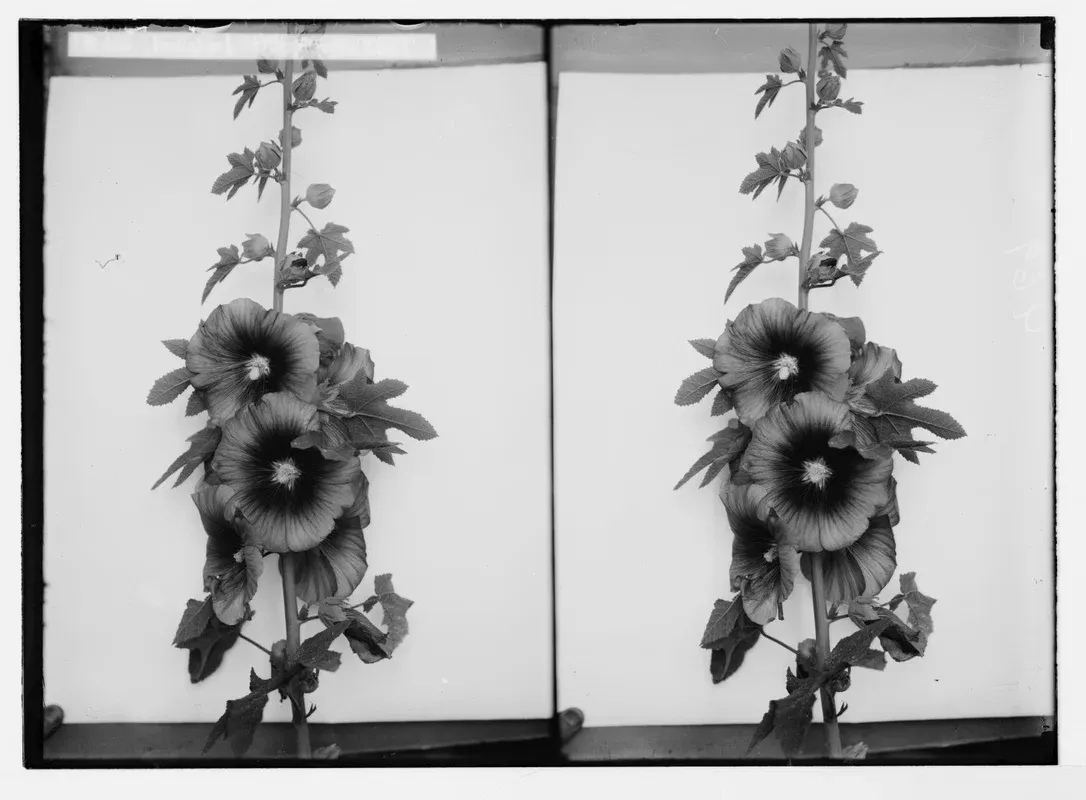
Aesthetics can’t be general, because then it would be a utility1.
Useful things are, by their nature, swappable. A hammer is a hammer for whoever picks it up. A kilowatt does the same work in any wire. A dollar is a dollar in any hand. That’s the whole point of a tool. It doesn’t care who’s holding it, and you can trade it for any other tool that does the job as well or better. Usefulness lives in the world of the interchangeable. And anything you can boil down to a rule has already moved into that world. The recipe, the spec, the formula: these are things anyone can run to get the result. They’re general because that’s what makes them useful.
The moment you write down the principle, beauty is the golden ratio, good design follows these laws, this is what converts, you’ve built a procedure. You’ve made a tool. Which means a general theory of aesthetics doesn’t explain beauty. It quietly replaces it with something useful. The generality isn’t a bug in the account. The generality is the swap.
Kant felt this two hundred years ago, though he said it more programmatically. When you call something beautiful, he noticed, you don’t mean “I happen to like it.” You mean “you should see it too.” You’re reaching for something shared. And yet you can’t prove it. There’s no rule you can point to that you can use to prove a triangle’s angles. The second a rule does settle it, it’s good because it meets the brief, you’ve stopped making an aesthetic judgment and started tabulating.
The cleanest map of that room comes from Barthes, near the end of Camera Lucida. He splits any photograph into two things. The studium: everything you can be taught to read, the coded, cultural, shareable content, the part you can discuss, catalog, and put to work. And the punctum: the small detail that pricks you, that you can’t quite explain and couldn’t have predicted and can’t hand to anyone else. The punctum isn’t really in the photo. It’s in the meeting between this photo and one particular person. “No two people see the same photograph.” The studium is general, so it’s useful. The punctum can’t be generalized, which is exactly why it can’t be sold, taught, or packaged. It requires the active openness and the creation of containers capable of transformative communication. The instant you could reproduce it in someone else on command, it would become a technique, and it would stop pricking.
Which tells you what the aesthetic actually is. Not a property sitting in objects, waiting to be measured. It’s the event of something becoming, for someone, impossible to swap out.
Sontag’s anxiety in On Photography is that the camera turns the whole world into something available, and available means tradeable. The beautiful and the terrible end up the same size on the same screen, equally collectible. Berger, in Ways of Seeing, points at the engine underneath. Looking is never innocent. It carries power and ownership, and the advertisement is the purest case: a thing made beautiful strictly in order to. But anything beautiful in-order-to isn’t really beautiful. It’s working. And you should grade it the way you grade anything that works, by results.